VIGILUME Cleaning
A scope precise enough to argue with.
Most cleaning disputes are scope disputes. When area, frequency and condition are written down, the conversation moves from opinion to evidence.
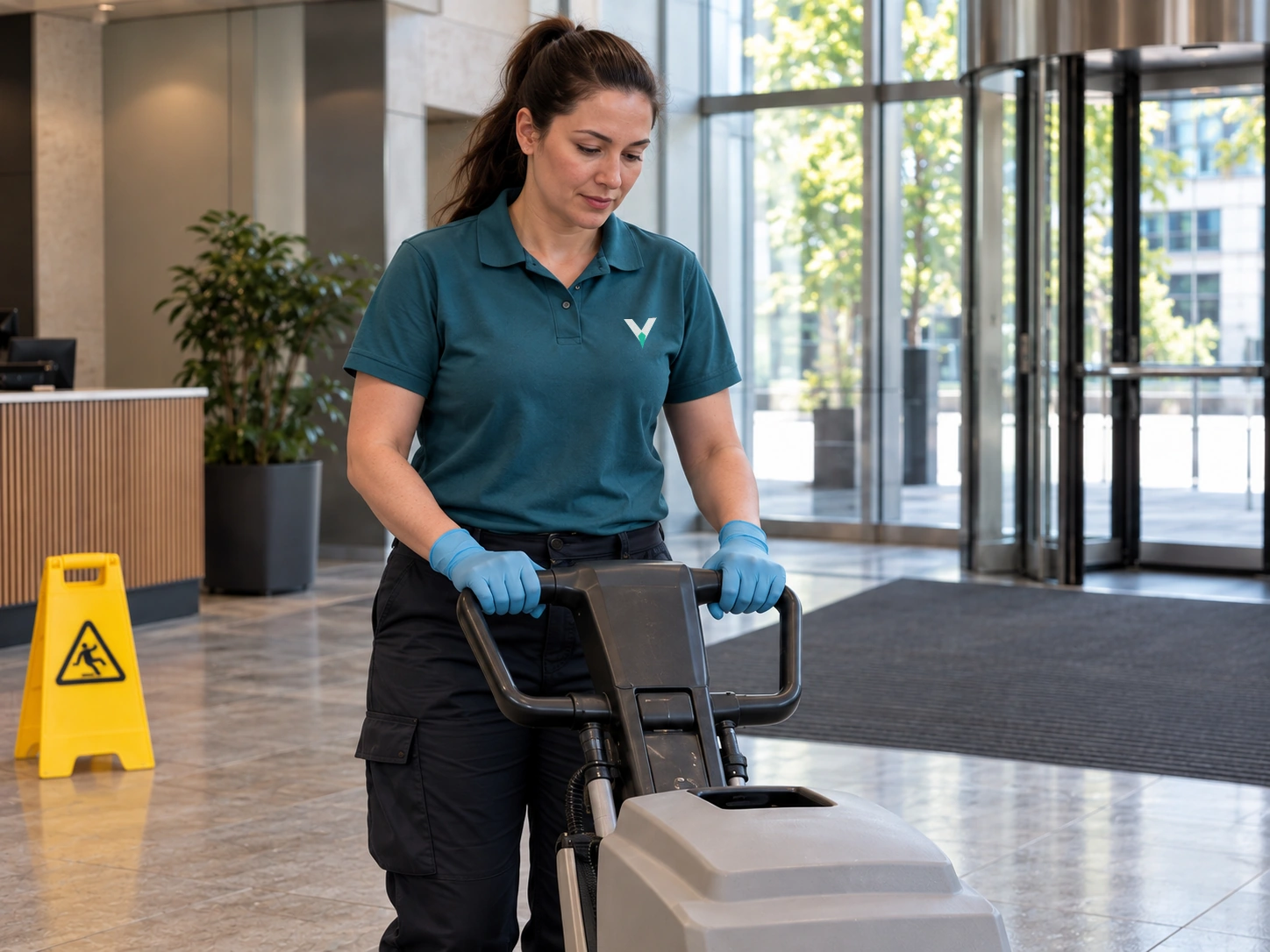
The operational problem
The operational problem
Vague scopes create a standing argument. Tenants report the same issue repeatedly, the contractor says it was never in scope, and the property team mediates between two versions of the truth.
Without inspections, quality is measured only by complaint volume — which means it is measured only when it has already failed.
Where this service commonly fails
The failure points are predictable. That is what makes them fixable.
Scopes written by task list rather than by area and condition
Periodic works promised annually and quietly never scheduled
Consumables responsibility left ambiguous until the first shortage
Inspections performed by the same person who did the work
Rectifications closed without anyone confirming the fix
The VIGILUME approach
How VIGILUME scopes a property
We measure the site and write the plan by area: what is cleaned, how often, to what condition, and who supplies what. Periodic works are scheduled with dates, not intentions.
Supervisors inspect against that plan independently of the cleaning shift. Defects become tracked rectifications, and repeat defects are escalated as a cause to fix rather than a task to repeat.
What is included
- 01Documented scope of works by area, frequency and condition
- 02Daily, weekly and periodic task schedules with dates
- 03Washroom servicing and consumables management
- 04Hard floor and carpet care programmes
- 05Waste and recycling stream handling
- 06Independent QA inspections with rectification tracking
- 07Reactive and make-good request handling
- 08Reporting structured for review meetings
What you can expect to see
Evidence, not assurance
- A scope document you can hold us to, area by area
- Inspection results with photographs where condition is disputed
- Periodic works confirmed as completed, with dates
- Recurring defects raised as a cause, not logged again
- A single point of contact who knows the property
Mobilisation considerations
Before the first shift
- 01Site measure and area schedule agreed before pricing is finalised
- 02Access, alarm and after-hours arrangements documented
- 03Chemical register, SDS and equipment confirmed for the site
- 04Tenant communication about changed cleaning times
- 05First-month inspection cycle run at higher frequency
- Work is performed to the documented condition standard, not to an unstated expectation
- Chemicals and methods are selected for the surfaces and warranties in place
- Some defects are maintenance, not cleaning; we identify them rather than absorb them
- Environmental improvements are described as current practice or planned, never certified
Where we deliver it
Priority sectors
Delivered across Greater Sydney — with established coverage in Western Sydney, South West Sydney and Macarthur — and each site assessed on access, supervision and relief coverage before we accept it.
- Commercial property and strata
- Neighbourhood retail and shopping centres
- Council and community facilities
- Warehousing and light industrial
Questions
What clients ask before engaging us
How do you handle out-of-scope requests?
They are logged, quoted where required and completed as agreed. Requests that recur are reviewed for inclusion in the base scope instead of being absorbed invisibly.
Who inspects the work?
A supervisor who did not perform the shift. Self-inspection by the cleaning team is not a quality control system.
What happens when a defect keeps coming back?
It is escalated as a cause — drainage, traffic, a failing surface, a bin placement — with a recommendation, rather than cleaned again indefinitely.
Related services
Have your current scope reviewed.
Send us the existing scope of works. We will show you what is unmeasurable in it and what a defensible programme looks like for the property.